
How I Stopped Task Paralysis (What Actually Helped)
Learn practical strategies to overcome ADHD task paralysis, reduce overwhelm, and start getting things done with simple techniques that really work.
Justin
7/28/20262 min read
Understanding Task Paralysis
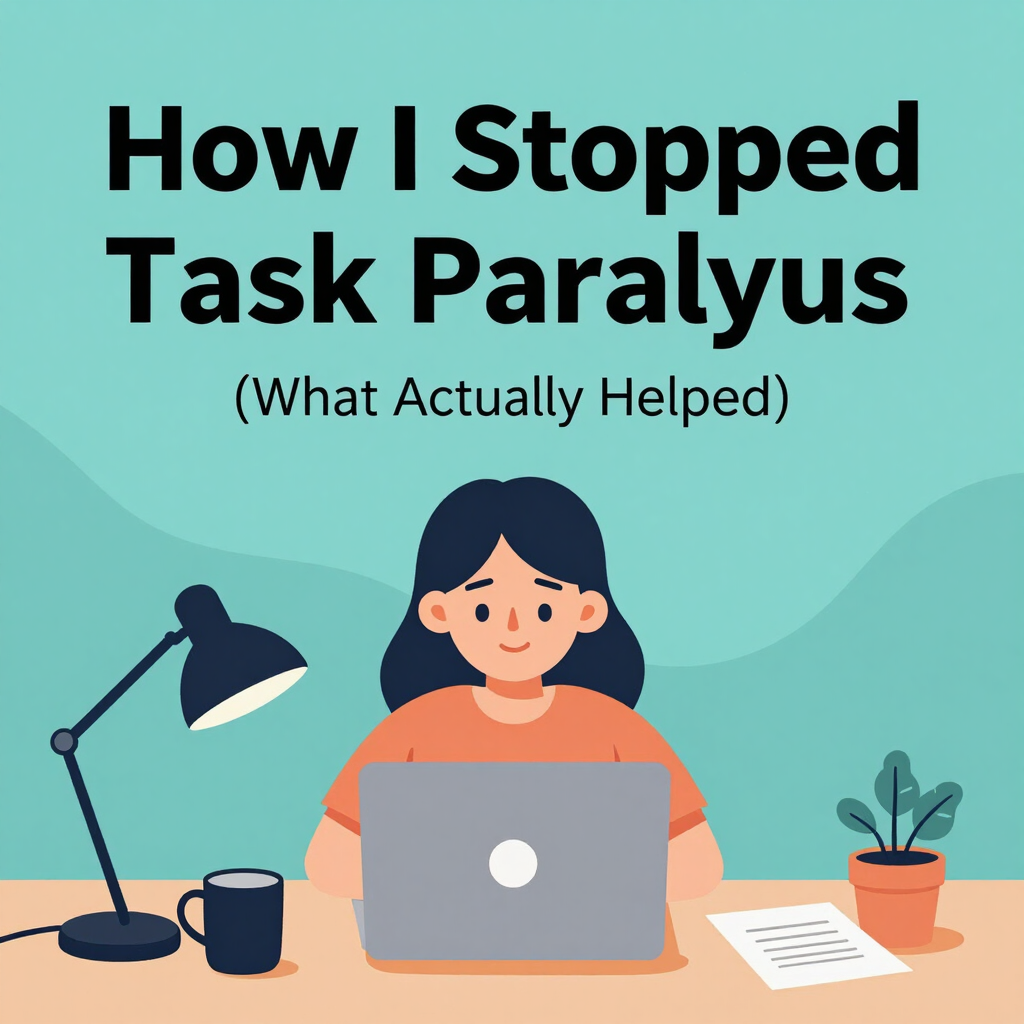
Task paralysis is a common challenge faced by many individuals, characterized by an overwhelming sense of being unable to start or complete tasks. This phenomenon typically stems from various factors such as fear of failure, perfectionism, and lack of motivation. In my personal experience, I encountered this debilitating condition frequently, which led to missed deadlines and increased levels of stress.
Strategies I Employed to Combat Task Paralysis
Through trial and error, I discovered several effective strategies that helped me overcome task paralysis. First and foremost was breaking down tasks into smaller, more manageable parts. Instead of viewing a project as a daunting whole, I learned to segment it into individual components, making it easier to approach each element without feeling overwhelmed.
Additionally, setting specific deadlines for each segment proved beneficial. This method not only instilled a sense of urgency but also provided a structured timeline, encouraging progress. Knowing that I had a clear schedule significantly reduced the pressure I felt, and I found myself making substantial headway.
The Role of Mindfulness and Self-Compassion
An essential aspect of addressing task paralysis involved the practice of mindfulness and self-compassion. I realized that being overly critical of myself exacerbated my paralysis. Instead, I began to cultivate a mindset that embraced imperfections and acknowledged that mistakes are a natural part of the learning process. This shift in thinking encouraged me to take action without the fear of judgment, ultimately fostering a more productive environment.
Furthermore, integrating short mindfulness exercises into my routine helped clear mental clutter. Techniques such as deep breathing, short meditations, or even a brief walk outdoors proved invaluable in calming my mind and replenishing my focus. Gradually, I found it easier to transition into productive work sessions, reducing the instances of paralysis.
Final Thoughts
Overcoming task paralysis is a journey that requires patience and self-awareness. Through the application of practical strategies, such as breaking tasks into smaller segments and fostering self-compassion, I made significant strides over time. It is essential to remember that everyone’s experience with task paralysis is unique; therefore, it may take some experimentation with different approaches to find what works best for you. Embracing the process and being kind to yourself can make a significant difference in overcoming obstacles and achieving your goals.
WDkeller
Realistic survival systems for neurodivergent adults.
Home-Articles-About-Contact
Reach out
info@wdkeller.com
Low-pressure inbox. Replies when bandwidth allows.
© 2026 WDkeller-Tested low-dopamine hacks for real adults.
Shame-free daily systems